Social Communication
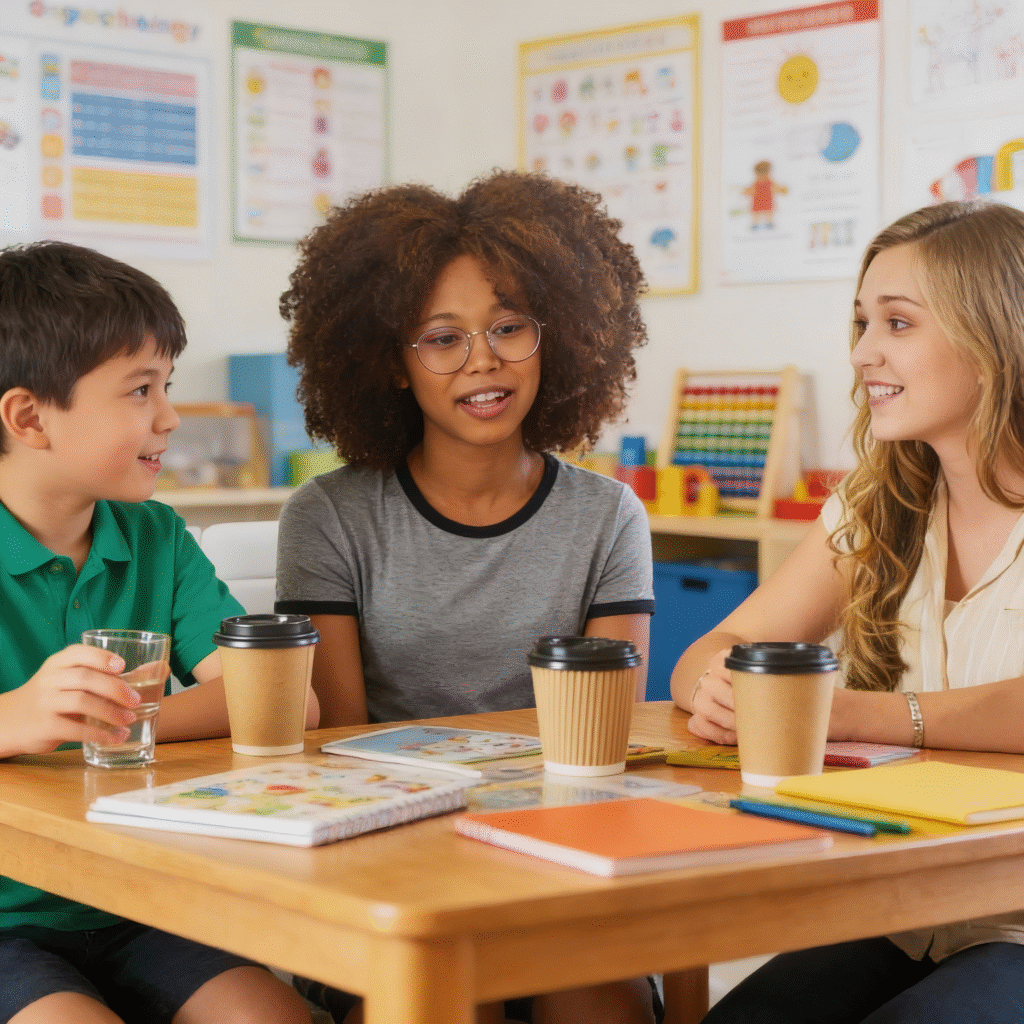
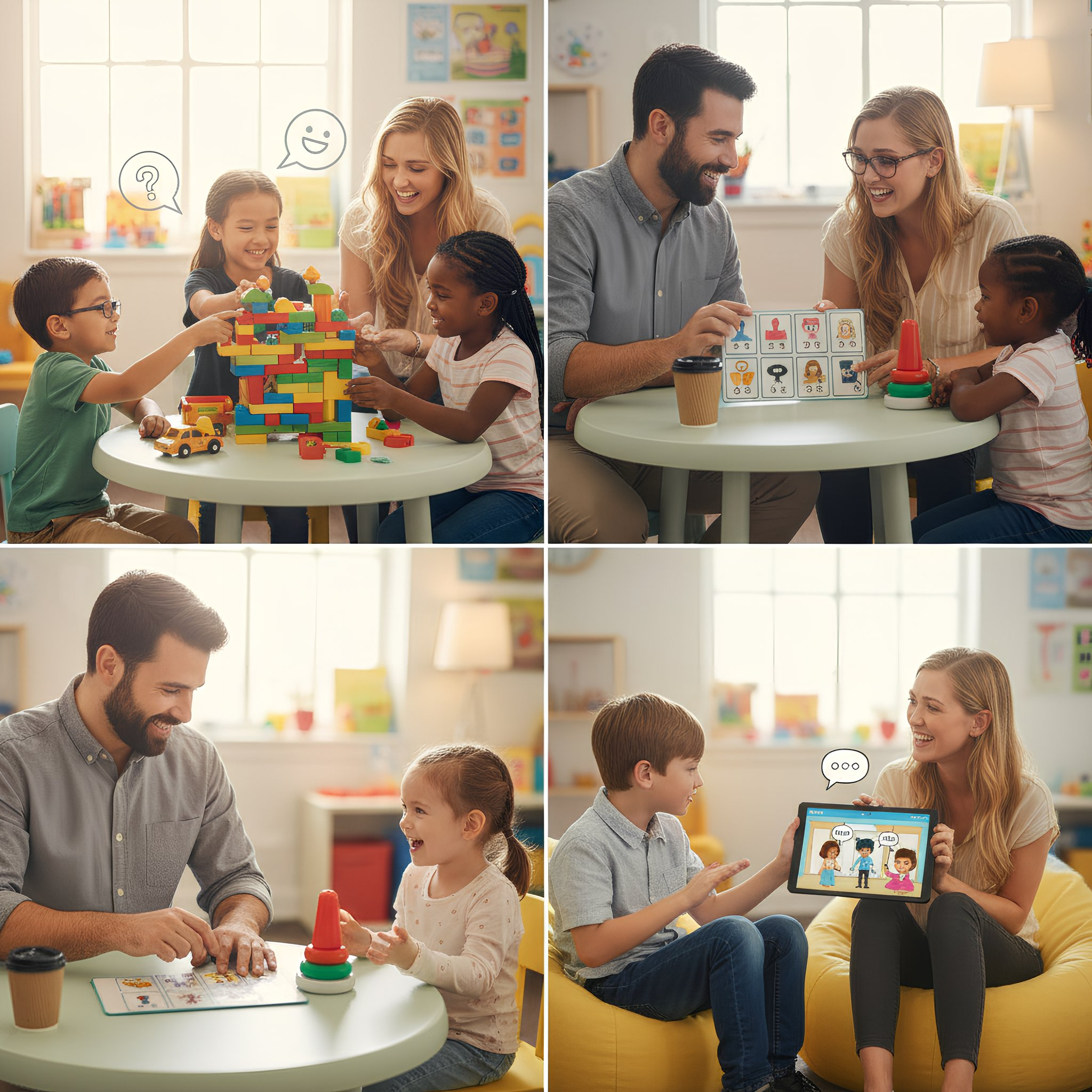
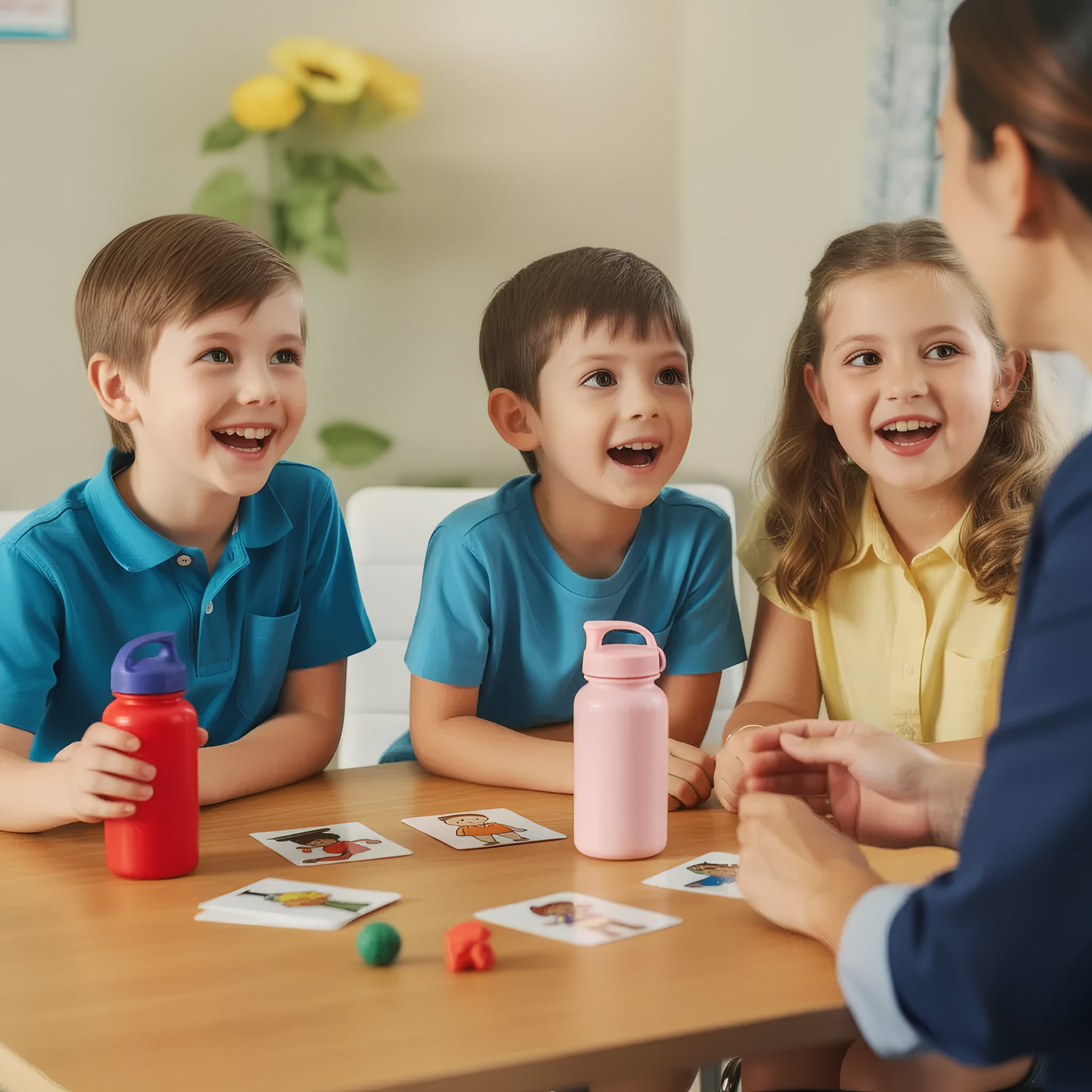
Pragmatic (Social) language is the social use of language, how we choose and use words, tone, body language, and conversational skills to communicate effectively with other people in different situations.
It includes things like:
- Knowing what to say and how to say it (e.g., polite vs casual, joking vs serious)
- Using and understanding social rules of conversation, such as:
- taking turns
- staying on topic
- starting, maintaining, and ending a conversation
- repairing misunderstandings (e.g., “Sorry, I meant…”)
- Understanding implied meaning (reading between the lines), like sarcasm, hints, or indirect requests (“It’s cold in here” meaning “Can you close the window?”)
- Using non-verbal communication (eye contact, facial expressions, gestures, personal space)
- Adapting language to the listener and context (talking differently to a teacher vs a friend)
Social language is important for forming friendships, maintaining conversations and interacting with others. Difficulties in this area directly lead to a communication breakdown.